

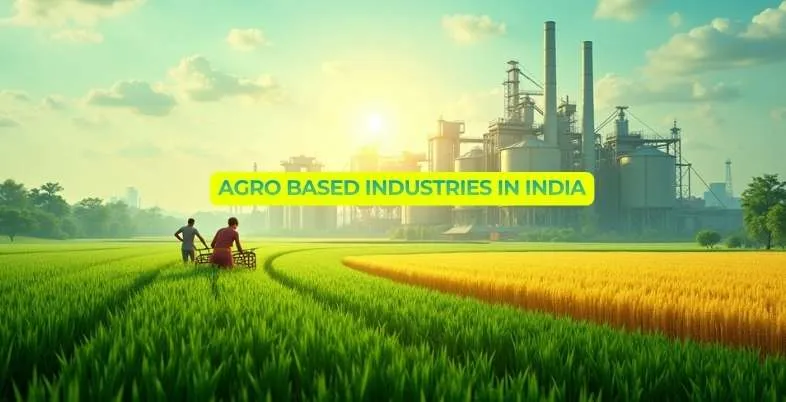
Agriculture and its related industries have been having an immense influence on the Indian economy over the centuries. Agro based industries are one of these; they are considered to be significant pillars linking the rural farming communities to both the urban markets and the industrial expansion. These sectors convert raw agricultural products into finished products with a high value that creates employment opportunities to millions of people and also generate massive value to the agricultural economy.
Agro-based industries have become embedded in the fabric of Indian industrial history, as far back as cotton fields of Gujarat to tea gardens of Assam. These industries remain a key contributor to the realization of food security, creation of rural jobs, increased exports, and inclusive economic growth in the country as we move into 2026.
What Are Agro Based Industries?
Agro based industries are manufacturing or processing factories where products of the agricultural and allied sector are the main raw material. Such industries provide a significant link between the agriculture and the manufacturing sector where agricultural products such as cotton, sugarcane, milk, oilseeds, fruits, and vegetables are transformed to finished or semi-finished goods.
They cover a very diverse industry, such as the food processing industry, the textile industry, the dairy industry, the sugar industry, the leather products industry, and the plantation industries. These industries can add value to the agricultural commodities; they increase the income of farmers, decrease the losses after harvest and provide massive employment in rural and semi-urban regions.
Benefits & Importance of Agro Based Industries
- Employment Generation: The industries generate enormous employment in the rural regions, which sustain the farmers, laborers, and skilled workers in the farming value chain.
- Value Addition: They take raw agricultural products and convert them to better value products that get much higher economic returns to farming activities and significantly increase the level of income of the farmers.
- Waste Minimisation: By treating agricultural produce, which is perishable, in time, agro-based startups and industries are able to reduce post-harvest losses and enhance further use of farm harvest all through the year.
- Export Earnings: The agro-processed products such as textiles, spices, tea and leather goods that India exports earn the country a lot of foreign exchange that has reinforced the balance of payments in the country.
- Rural Development: These industries spur growth of rural infrastructure, entrepreneurship and decrease urban migration by providing local economic opportunities in the rural areas.
- Food Security: Processing and preservation centers provide 365 days of access to food items, which enhance food security of a country and nutritional well-being of the people in the country.
Learn how to start an agriculture business in india.
Major Types of Agro Based Industries
- Food Processing Industries: They involve plants that manufacture packaged food, drinks, frozen foods and prepared ready meals of fruits, vegetables and grains and sell them to the local and international markets.
- Textile Industries: This group consists of cotton ginning, spinning, weaving, and jute manufacturing plants which produce fabrics, garments and textile products which employ millions in India.
- Plantation industries: Tea, Coffee, rubber and spice processing estates under this segment are mainly confined to agro- climatic areas where the growing conditions are adequate.
- Dairy Industries: The processing plants, dairy cooperatives, and manufacturers of dairy products process raw milk to cheese, butter, ghee, yogurt, and all types of value-added dairy products.
- Sugar and Allied Industries: During the processing of sugarcane, mills are used to process cane sugar into sugar, jaggery, and ethanol and use bagasse to generate power and paper as by-products.
- Leather Industries: The tanneries and leather goods producers deal in the processing of animal hides into finished leather, footwear, bags, and accessories to be used on the local market and also to be exported to international markets.
List of Agro Based Industries in India – 2026
Textile Mills (Cotton & Jute)
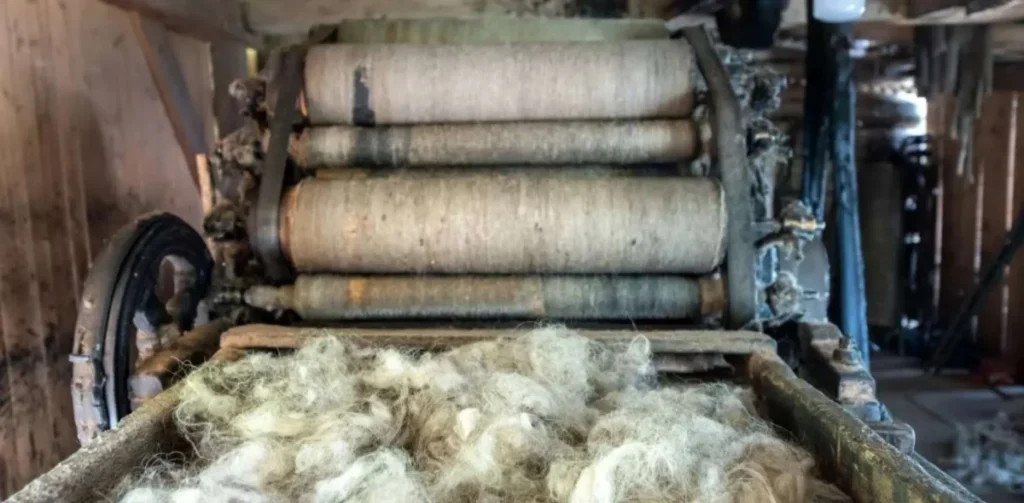
Textile mills are one of the oldest and most important sectors of industries in India that receive cotton and jute and transform it into yarn, cloth, and end products. Since India is the largest cotton manufacturer in the world and one of the largest producers of jute, these mills have millions of employees working in spinning, weaving, dyeing, and making of garments. It is an industry ranging between small handloom units up to large integrated mills and in terms of exports and GDP it has a significant contribution to it and at the same time it keeps up the traditional craftsmanship in combination with modern technology.
- Raw Materials Used: Cotton fiber, jute plants, synthetic blends
- Manufacturing / Processing Process: Ginning, spinning, weaving, dyeing, finishing
- Major Products: Fabrics, garments, home textiles, jute bags
- Importance & Role in India: Major employment provider, significant export earner
Suggested Read: Goat Farming Business Plan
Dairy Cooperatives & Brands

The dairy sector of India, which is headed by cooperative institutions such as Amul and Mother Dairy, has made India the largest milk manufacturer in the world. These cooperatives give millions of the small farmers power through guaranteeing them of a market, fair prices, and also the modern veterinary services. These cooperatives have not only raised the rural incomes but have also provided affordable nutrition to every corner of the country through a vast cold chain and distribution network, which was initiated by the white revolution.
- Raw Materials Used: Raw milk from cattle, buffaloes
- Manufacturing / Processing Process: Pasteurization, homogenization, packaging, fermentation
- Major Products: Milk, butter, cheese, yogurt, ice cream
- Importance & Role in India: Rural income booster, nutritional security provider
Sugar Mills & Ethanol Units
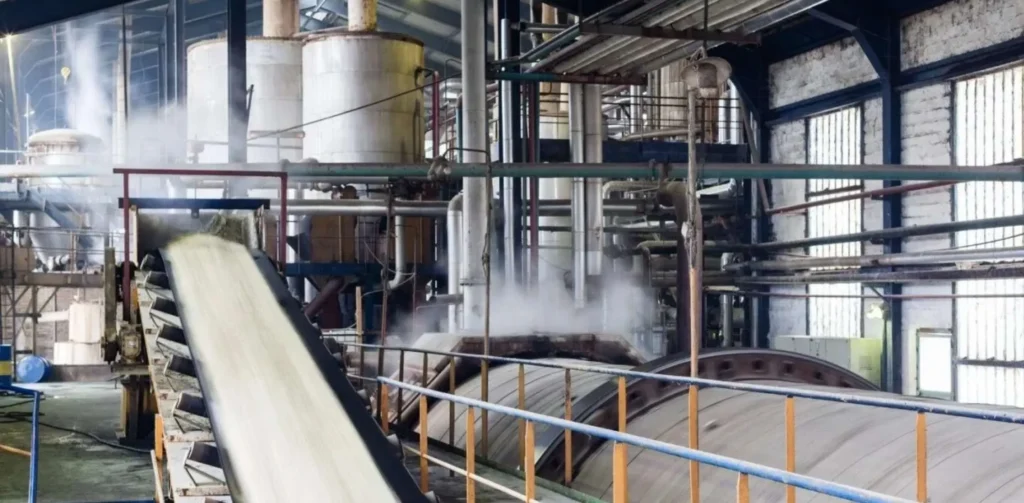
Sugarcane is refined into crystallized sugar, jaggery and more recently bioethanol to be used in fuel blending. As the second-largest sugar producer globally, India has mills that are located in the Uttar Pradesh, Maharashtra, and Karnataka. The new sugar complexes have become versatile units that produce electricity by utilizing bagasse, they produce ethanol that is used in the biofuel program of the government and they produce several other by-products resulting in them being of great concern in ensuring energy security and also in providing jobs to the rural population.
- Raw Materials Used: Sugarcane stalks, juice extraction
- Manufacturing / Processing Process: Crushing, clarification, crystallization, centrifugation
- Major Products: White sugar, brown sugar, jaggery, ethanol
- Importance & Role in India: Energy security contributor, farmer income support
Edible Oil Processing Plants
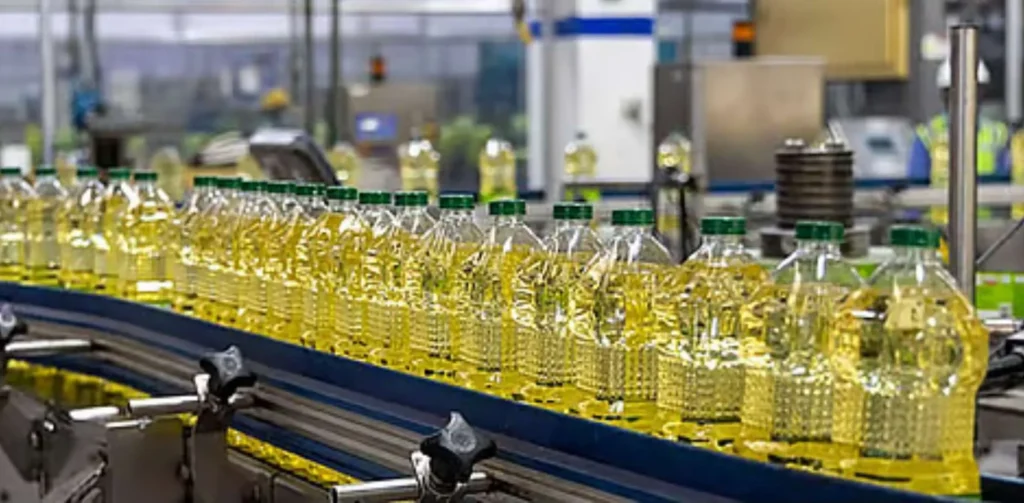
Cooking oil is extracted and refined in edible oil mills using oilseeds such as mustard, groundnut, sunflower and soybean oil, and refining imported palm oil. The oils used in Indian cuisine are manufactured in these plants using mechanical pressing and solvent extraction techniques. This industry is critical to food security and millions of oil-dependent agro-climatic areas have millions of oil seed farmers in India, which is a key consumer of oils but relies on imports to meet its needs.
- Raw Materials Used: Mustard, groundnut, sunflower, soybean seeds
- Manufacturing / Processing Process: Cleaning, crushing, extraction, refining, packaging
- Major Products: Cooking oils, vanaspati, oil cakes
- Importance & Role in India: Food security essential, livestock feed source
Tea & Coffee Processing Estates
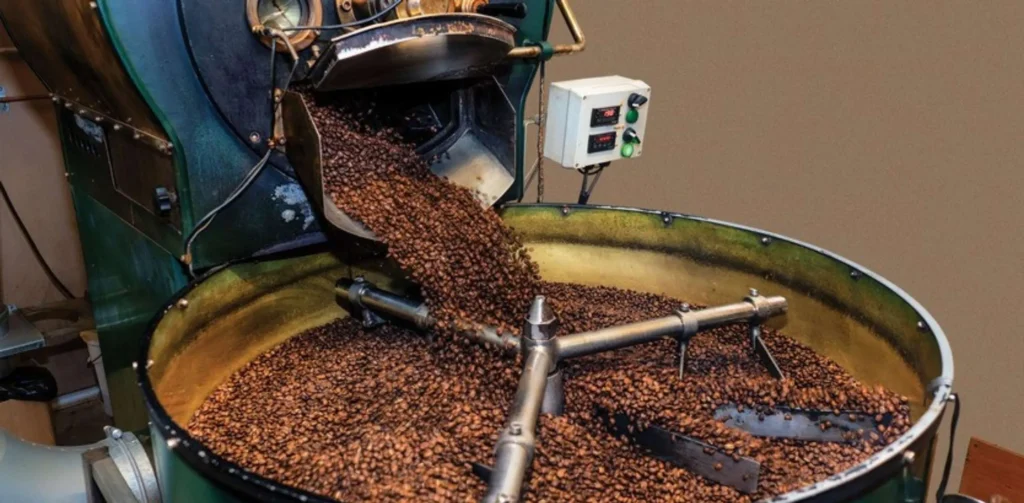
The tea and coffee plantations in India, which are mostly found in Assam, Darjeeling, Nilgiris, and Coorg produce the fresh leaves and berries that are used to make the aromatic drinks that people all over the world drink. In these plantations, they are cultivated and on-site processing plant are involved which comprise withering, rolling, fermenting and drying. The industry does not only earn the country a good export income and job opportunities in hilly areas but also helps retain the distinctive regional taste and old process used which have gained international reputation and luxury market status.
- Raw Materials Used: Fresh tea leaves, coffee cherries
- Manufacturing / Processing Process: Plucking, withering, rolling, fermenting, drying
- Major Products: Black tea, green tea, coffee powder
- Importance & Role in India: Foreign exchange earner, hill area employment
Leather Tanneries and Goods Manufacturing
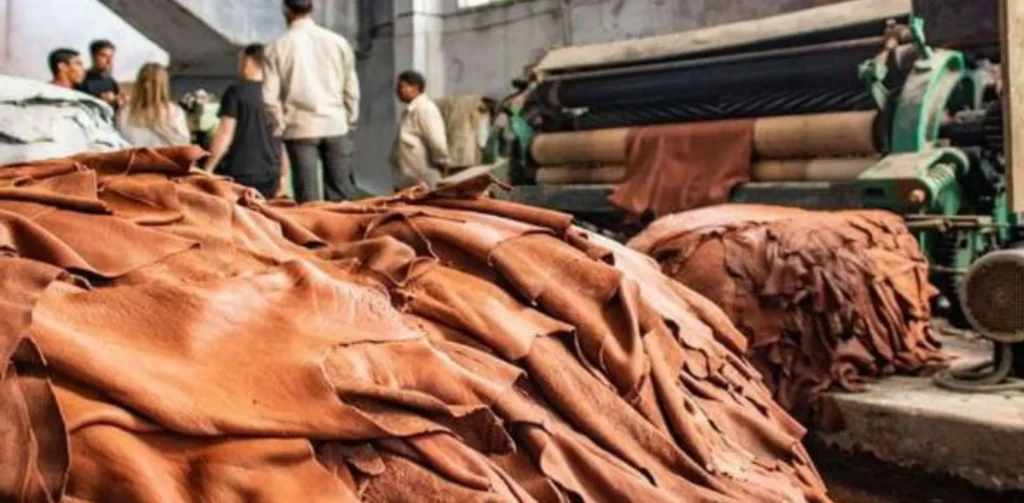
The leather industry of India involves processing of animal hides and skins to produce finished leather and making of footwear, bags, garments, and accessories to be sold in international markets. The industry is concentrated in Tamil Nadu, Uttar Pradesh, and West Bengal providing millions of people with employment in tanning, finishing and manufacturing work. Indian leather products have found a place in the world due to their quality and craftsmanship. The business also has environmental issues associated with the tanning procedures but it is important in exporting and job creation among the traditional artisan communities.
- Raw Materials Used: Animal hides, skins, chrome chemicals
- Manufacturing / Processing Process: Soaking, tanning, dyeing, finishing, stitching
- Major Products: Leather goods, footwear, bags, garments
- Importance & Role in India: Export revenue generator, traditional craft preserver
Agri-Input Production (Fertilizer, Pesticides)
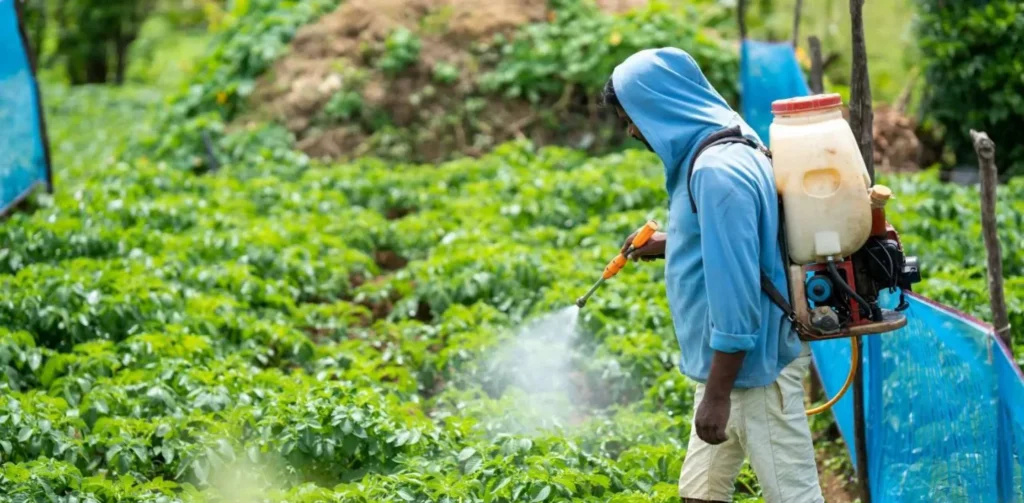
Fertilizer and pesticides manufacturing plants are the foundation of the contemporary agriculture sector as they provide both fertilizers and pesticides. Such industries work with nitrogenous, phosphatic, and potassium compounds, as well as other chemical formulations in order to increase crop productivity. These units are also involved in maintaining food security since with the success of the green revolution in India, it is widely understood that the success of the green revolution was highly dependent on the right application of fertilizers to facilitate intensive cultivation among farmers. There is an increase in organic and bio-fertilizer segments in the sector in response to demands in sustainable agriculture.
- Raw Materials Used: Ammonia, phosphates, potash, active chemicals
- Manufacturing / Processing Process: Chemical synthesis, formulation, granulation, packaging
- Major Products: Urea, DAP, pesticides, micronutrients
- Importance & Role in India: Agricultural productivity enabler, food security supporter
Agro Equipment Service Centers
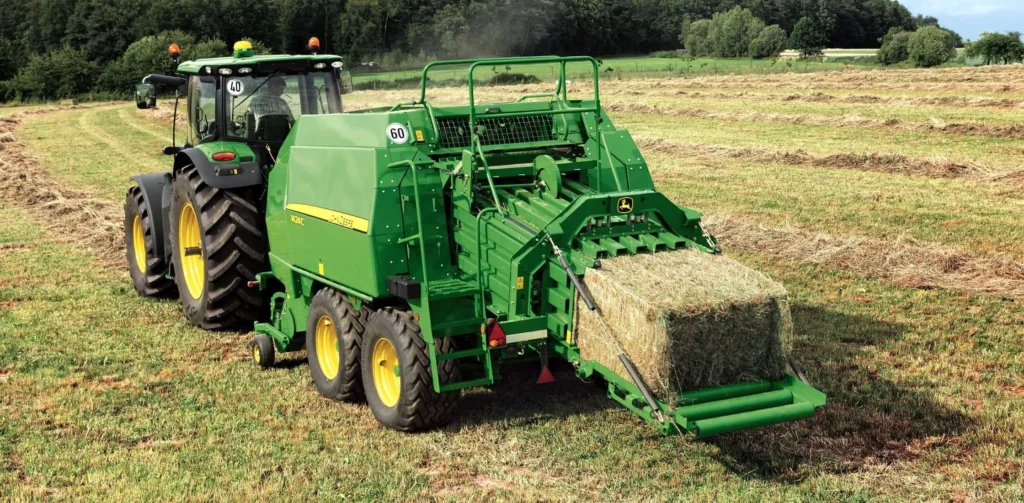
Agricultural machinery and equipment service centers offer services that encompass maintenance, repairs, spare parts, and technical assistance to those farmers who utilize tractors, harvesters, sprayers and irrigation equipment. These centers help to lower the technology divide in the rural setting where farm mechanization is made affordable and viable. With Indian agriculture slowly becoming more mechanized to deal with labor shortages and increase efficiency, these service networks have become the backbone infrastructure. They also support the adoption of technology through demonstration, training and after sales services to the farming communities.
- Raw Materials Used: Spare parts, lubricants, repair materials
- Manufacturing / Processing Process: Assembly, maintenance, repair, calibration services
- Major Products: Tractors, harvesters, irrigation equipment servicing
- Importance & Role in India: Farm mechanization supporter, technology enabler
Bamboo and Jute Crafts Units
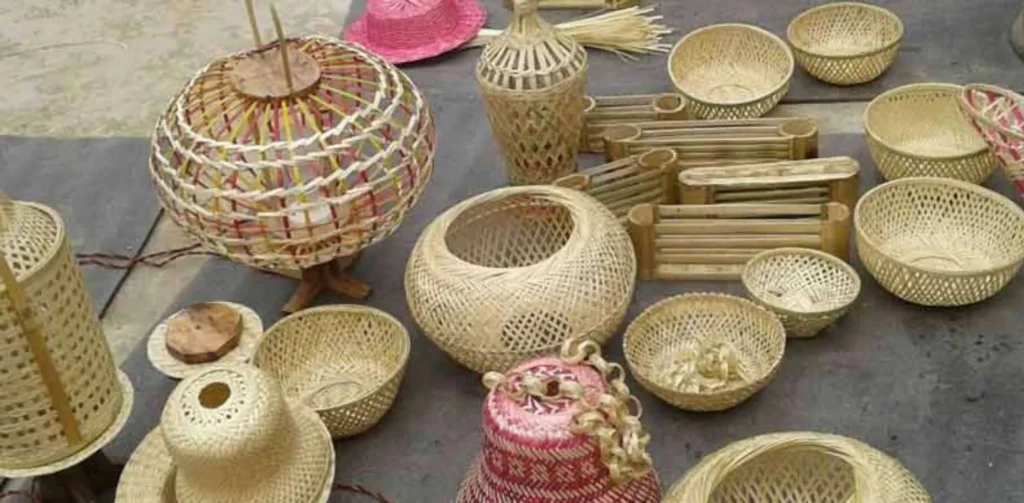
Bamboo and jute handicraft units are one of the examples of Indian tradition of manufacturing products that are not harmful to the environment. These small and cottage industries produce furniture, decoration, bags and baskets and utility products that are both beauty and environmentally conscious. These units are concentrated in the northeastern states and West Bengal as well as in Odhra regions, they maintain traditional skills and adapt them to market needs. The trend of the world towards sustainable goods has presented new prospects and these crafts have become economically viable and have helped the rural artisan groups.
- Raw Materials Used: Bamboo culms, jute fiber, natural dyes
- Manufacturing / Processing Process: Cutting, weaving, treating, dyeing, finishing
- Major Products: Furniture, handicrafts, bags, decorative items
- Importance & Role in India: Sustainable livelihood creator, cultural heritage preserver
Which Are the Largest Agro Based Industries in India?
India has the highest agro based industries in terms of employment, turnover and economic contribution with the textile industry employing more than 45 million and having a huge contribution in exports. Dairy industry is the largest in the world and cooperates such as Amul as well as private companies such as Heritage Foods process billions of litres each year.
There are more than 500 mills in the sugar industry with more than 350 million tonnes of sugarcane being processed every year. ITC, Britannia and Parle, food processing giants have established large networks. Edible oil is an import-dependent sector and yet undergoes large volumes within the country. All these industries are the pillars of the manufacturing sector in the Indian economy and rural population growth.
Challenges Faced by Agro Based Industries
- Lack of adequate Infrastructure: Lack of proper rural roads, cold storage, and ready power supply are factors that do not favor effective procurement of raw materials, processing, distribution of products along agro-industrial value chains.
- Fluctuations in Raw Materials: The seasonal changes in availability, price changes, variations in quality, and the uncertainty of supply due to varying climates all result in operational issues and influence production planning in these types of industries.
- Technology Gaps: A lot of the units are equipped with old machines and conventional processing technologies which make them less productive, more wastage and incapable of producing quality products as required by consumers.
- Problem of credit access: Agro processors with small to medium sizes of operations find it difficult to access sufficient working capital and expansion loans at formal financial institutions even though they play a significant role in the economy.
- Market Linkage Problems: Due to limited market intelligence, poor supply chains and poor branding capabilities, many agro processors have not been able to access high end markets and achieve maximum value on their products.
- Environmental Compliance: Strict pollution control standards, effluent treatment and sustainability pressures add costs to operations and most units do not have resources to make required upgrades and go green with green technology.
Conclusion
Agro based industries are the key linkage between the Indian agricultural tradition on one hand and the industrial prospect on the other. These sectors are still proving to be invaluable in their transformation of raw farm produce into marketable wares as they make millions of livelihoods in rural India. Agro based industries are involved in all sectors of our economy, starting with textile mills that have been using generations of workers, then go to the dairy cooperatives that give power to the small farmers, and then move to food processing unit that cut down wastage.
No matter the issues associated with infrastructure, technology, and entry-level of the market, these industries demonstrate a high level of resilience and growth capacity. Their achievement is directly translated into prosperity in the rural area, sustainability of agriculture, and economic development, which is inclusive. Enhancing these sectors is not merely the economic policy, but it is an obligation to ensure our agricultural soul is maintained; it is creating an industrial successful country where no farmer or rural community is left behind in its development process.
FAQs
What are agro based industries?
Agro based startups are manufacturing industries which utilize agricultural products as raw materials, process crops, livestock products, and plantation products into the finished products such as textiles, food products, and leather products.
What state among the Indian states has the greatest agro based industries?
Maharashtra is a major producer of sugar mills, food processing industries, and textile industries, followed by Punjab, Gujarat, Uttar Pradesh, and Tamil Nadu with the various agro-industrial clusters.
What is the advantage of agro based startups to the farmers?
Such industries assure markets of farm produce and minimize losses experienced after harvests, better prices by value addition, and they create local jobs in addition to the customary farming.
How agro based startups in India are going to be?
The future is bright with the increasing demand of processed foods, government assistance in the form of schemes, export business, technological development and more and more emphasis on sustainable and organic products.
What do you consider to be some examples of agro based industries?
Some of the key ones are textile mills, dairy processing plants, sugar factories, edible oil mills, tea and coffee processing units, leather tanneries, food processing firms, and fertilizer manufacturing plants.