


Healthcare technology has transformed the relationship between patients and their healthcare providers and wellness management. Modern digital solutions have helped to bridge the gap between clinical and day-to-day health care, as it has become easier than ever before to keep in touch with the healthcare team. The newest patient engagement tools can be used as revolutionary in terms of convenience because they are now available everywhere, and patients can manage their health and communicate with healthcare providers.
Such new platforms enhance the quality of care as well as enable patients to become active participants in their care journey. With healthcare being in a state of constant evolution, choosing the appropriate digital solutions is essential in the case of patients wishing to experience improved health results and providers trying to provide an outstanding experience of care.
What Are Patient Engagement Tools?
Patient engagement tools are online tools that are aimed at enabling patients to engage in the management of healthcare. Through these technologies, the patients develop smooth links between themselves and the healthcare providers, thus facilitating effective communication, access to information and monitoring their health. These tools change passive healthcare patients into active participants in their wellness process through mobile applications to web-based platforms. These solutions can be used to enable individuals to know more about their condition, follow a treatment plan, and make informed decisions regarding their health while maintaining constant contact with their care teams the help of technologies.
Essential Features to Look for in Patient Engagement Tools
When examining the digital healthcare solutions, understanding the key features, which precondition the effectiveness, is essential. The most appropriate platforms are the ones that are customer-friendly but have the functionalities that are necessary to ensure that they can deliver the maximum benefits to both the patients and the providers. Locate the tools, which concentrate on security, ease of use, and general features that address a spectrum of concepts in healthcare management.
- User Intuitive Interface: The site must have a simple user interface, and this implies that any patient, irrespective of their level of technical knowledge and age, should be able to reach and use the site with ease without being frustrated and confused.
- Data Security and Privacy: Data encryption algorithms and compliance with medical standards like HIPAA keep the identification of sensitive medical information inaccessible to third parties and guarantee the confidentiality of patient information.
- Multi-Device Compatibility: The ability to work with smartphones, tablets, and desktop computers with ease can allow a patient to view their health information at any place and time they need it.
- Integration Capabilities: This ability to inter-relate with the electronic health records, wearable gadgets and other healthcare systems creates a complete packaged environment to manage the information about patients efficiently.
- Real-Time Communication: The benefits of prompt communication skills and alarms will enable patients and medical practitioners to communicate in real-time and improve the quality of responding and care coordination.
Comparison Table for Top 10 Patient Engagement Tools
| Tool Name | Rating | Best Feature |
| MyChart Portal | 4.7/5 | Comprehensive medical records access |
| Teladoc Health | 4.6/5 | 24/7 virtual consultation availability |
| MyFitnessPal | 4.5/5 | Extensive nutrition tracking database |
| Apple Watch Health | 4.8/5 | Continuous heart rate monitoring |
| Healow Messenger | 4.4/5 | HIPAA-compliant secure messaging |
| Zocdoc Scheduling | 4.6/5 | Real-time appointment availability |
| Medisafe Reminder | 4.7/5 | Smart medication adherence tracking |
| WebMD Health Portal | 4.5/5 | Comprehensive health education library |
| Google Fit Dashboard | 4.4/5 | Multi-source data integration |
| Lark Health Coach | 4.6/5 | AI-powered personalised coaching |
Top 10 Patient Engagement Tools
1. Apple Watch Health
Rating: 4.8/5
Website: https://www.apple.com/in/healthcare/
Best Use Cases: Real-time vital signs monitoring and fitness tracking
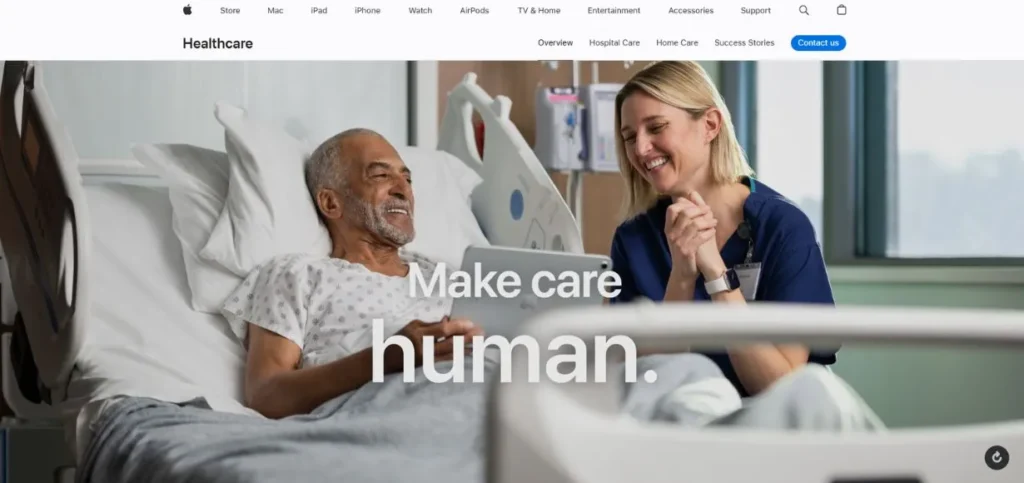
Apple Watch Health is the state-of-the-art wearable technology, a device that keeps recording key health indicators in the daytime and at night. It is a highly advanced gadget that monitors the patterns of heart rate, level of oxygen saturation in the blood, sleep quality and level of physical activity with an accuracy comparable to that of medical devices.
Users are able to send their healthcare data to healthcare providers so that remote patient monitoring and intervention can be used. The Smartwatch is fully integrated with the iPhone health apps to form a complete wellness ecosystem. It offers health tracking as well as peace of mind with such features as fall detection, emergency SOS, and irregular rhythm notifications. The easy-to-use interface simplifies complicated health information and makes it readable and comprehensible to ordinary users.
Key Features:
- Continuous heart monitoring
- Blood oxygen tracking
- Sleep pattern analysis
- Emergency fall detection
- Activity goal tracking
Pros:
- Medical-grade accuracy
- Seamless device integration
- Comprehensive health metrics
Cons:
- Premium pricing point
- iPhone compatibility required
- Daily charging needed
Pricing: Starts at $399 for the GPS model; $499 for the cellular model
Also Read: Top Patient Communication Tools
2. Teladoc Health
Rating: 4.6/5
Website: https://www.teladochealth.com/
Best Use Cases: Virtual consultations and remote healthcare access
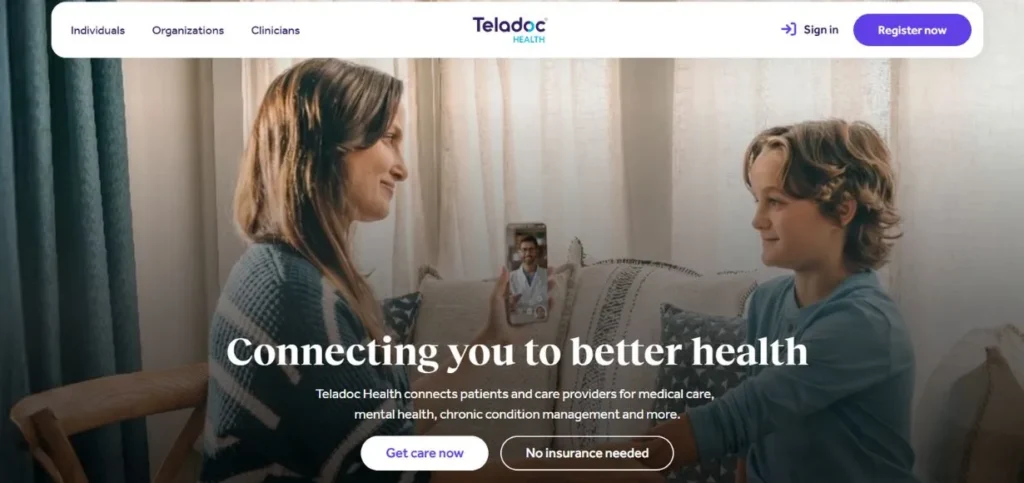
Teladoc Health is a health innovation that transforms the medical care system by linking patients with certified medical providers via convenient video calls. This platform breaks the geographical barrier and shortens wait lines so that, regardless of the location, quality healthcare is easily accessible. Patients are able to be diagnosed, given treatment recommendations, and get prescriptions without having to leave their homes. The service deals with an array of specialities such as primary care, mental health, dermatology and chronic condition management.
The availability of 24/7 will mean that patients will be able to solve urgent health issues as they arise instead of waiting in line in a traditional office set-up. The platform has comprehensive medical records, which preserve continuity of care during successive consultations and offer healthcare teams a complete history of patients.
Key Features:
- Video consultation platform
- Multi-speciality provider network
- Electronic prescription service
- 24/7 medical access
- Complete visit history
Pros:
- Immediate medical access
- Eliminates travel requirements
- Insurance widely accepted
Cons:
- Limited physical examination
- Technology requirements essential
- Variable provider availability
Pricing: $75 per visit without insurance; covered by most insurance plans
3. MyChart Portal
Rating: 4.7/5
Website: https://www.mychart.org/LoginSignup
Best Use Cases: Accessing comprehensive electronic health records
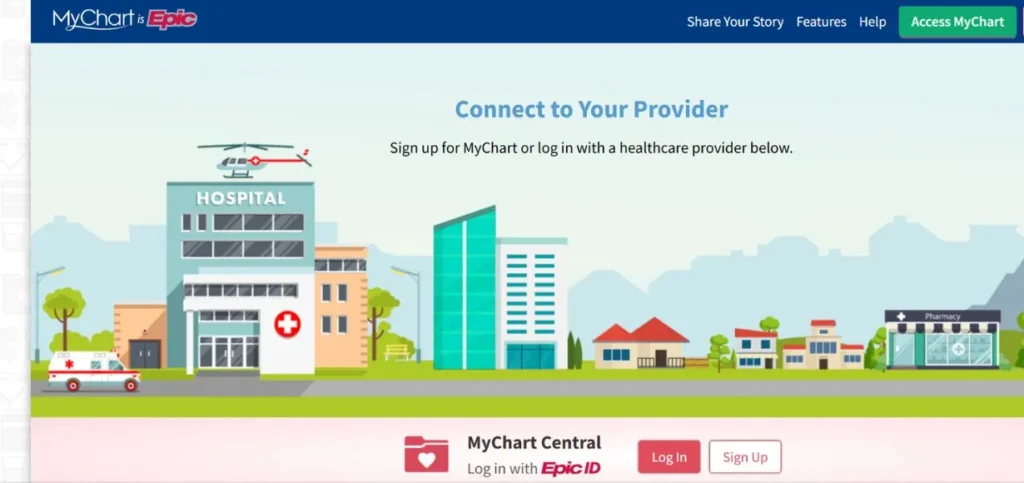
MyChart Portal is a primary gateway where patients can receive a full range of their medical history in a safe online setting. Laboratory results, imaging reports, vaccination records, and visit summaries can be accessed by the user in a single convenient place. The portal allows requesting prescription refills, which saves time in pharmacies and provides continuity of medications.
Clinical notes of a provider are available to patients, which allows them to get a better idea of their diagnosis and treatment. The communication element enables direct communication with the healthcare teams in a non-urgent case when asking questions and follow-up care. Patients have the opportunity to track chronic conditions using customizable health tracking tools and update their providers. The system is also affiliated with many institutions of health care in the country, which allows free access in various care environments.
Key Features:
- Complete record access
- Lab result viewing
- Prescription refill requests
- Provider messaging system
- Appointment scheduling integrated
Pros:
- Comprehensive information access
- Multi-institution compatibility
- User-friendly navigation
Cons:
- Institution-specific availability
- Learning curve initially
- Limited mobile features
Pricing: Free for patients at participating healthcare institutions
4. Medisafe Reminder
Rating: 4.7/5
Website: https://www.medisafe.com/
Best Use Cases: Medication adherence and prescription management
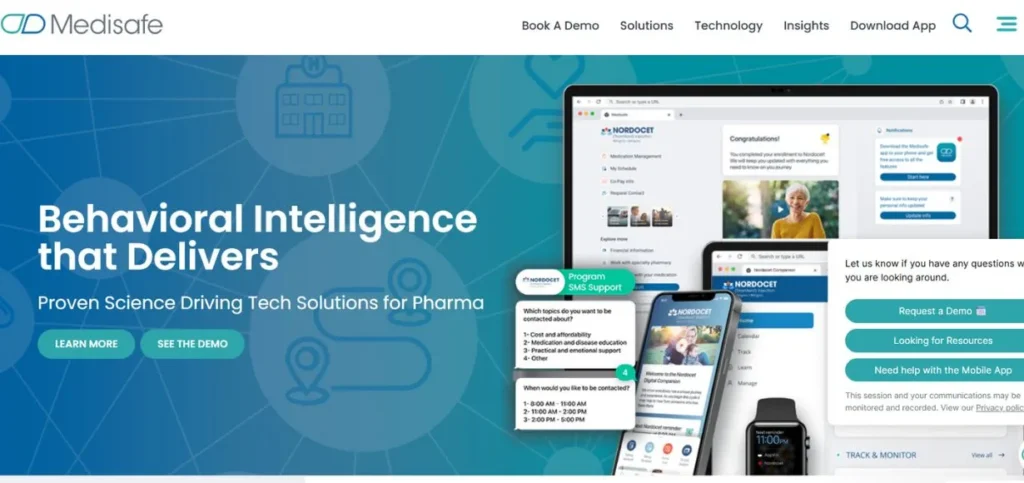
Medisafe Reminder is an app that handles medication non-adherence using smart reminders and a detailed prescription tracker. The application assists patients in dealing with complicated medication regimes, which is helpful, particularly to patients with various health conditions in need of multiple prescriptions. The platform can send personalised notifications so that the medications are taken at the right time and quantity.
The user is able to monitor past medication history, missed doses and can learn about how they adhere to their medication over a period. The drug interaction checker will alert users to possible drug interactions with drugs, supplements and even some foods. When loved ones are late on doses, the family members can be notified and help elderly patients or those with special needs. Refill reminders ensure that there are no lapses in medications by notifying the user whenever their medications require a refill.
Key Features:
- Customizable medication reminders
- Drug interaction warnings
- Refill notification system
- Adherence progress tracking
- Family caregiver alerts
Pros:
- Prevents missed doses
- Comprehensive drug database
- Family support features
Cons:
- Premium features cost
- Notification overload possible
- Manual entry required
Pricing: Free basic version; Premium at $4.99/month
5. Healow Messenger
Rating: 4.4/5
Website:https://plus.healow.com/patient-messenger/
Best Use Cases: Secure patient-provider communication
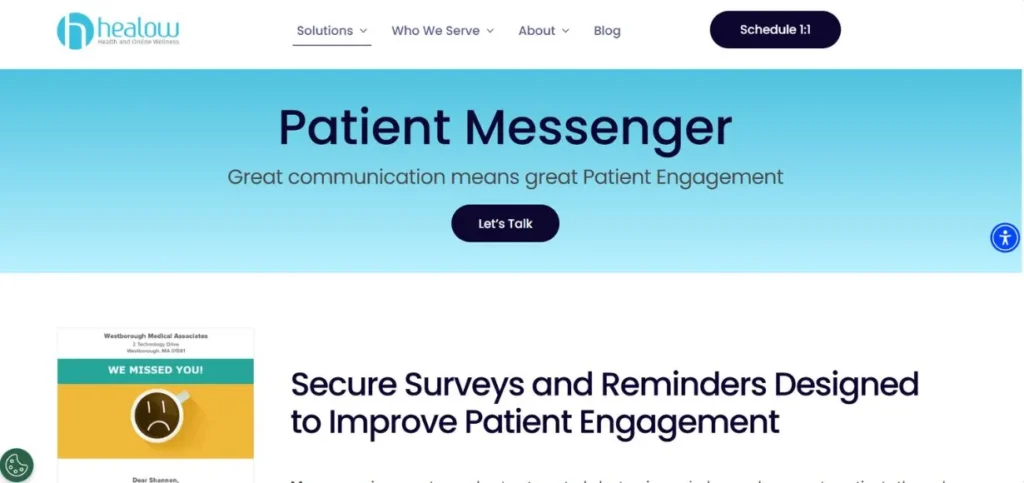
Healow Messenger offers encrypted channels of communication that ensure the privacy of patients while allowing effective healthcare discussions. This platform has done away with the hassle of phone tags because asynchronous messaging can be done between patients and their medical teams. Users are able to seek clarification on treatment instructions, follow-up questions and explain test results without having to book an appointment. The system keeps detailed conversation archives, leaving valuable medical data not lost or forgotten.
Through the platform, care providers can send educational material, care instructions and preventive health reminders. The safe architecture will comply with strict healthcare privacy standards, ensuring that confidential medical meetings are not exposed to untrusted parties. Short response time increases patient satisfaction and saves unnecessary office visits for small questions.
Key Features:
- Encrypted messaging system
- Conversation history storage
- Document sharing capability
- Provider notification system
- Multi-device synchronization
Pros:
- HIPAA-compliant security
- Reduces phone calls
- Convenient asynchronous communication
Cons:
- Provider response delays
- Not for emergencies
- Platform-specific usage
Pricing: Free for patients at participating practices
6. MyFitnessPal
Rating: 4.5/5
Website: https://www.myfitnesspal.com/
Best Use Cases: Nutrition tracking and fitness goal management
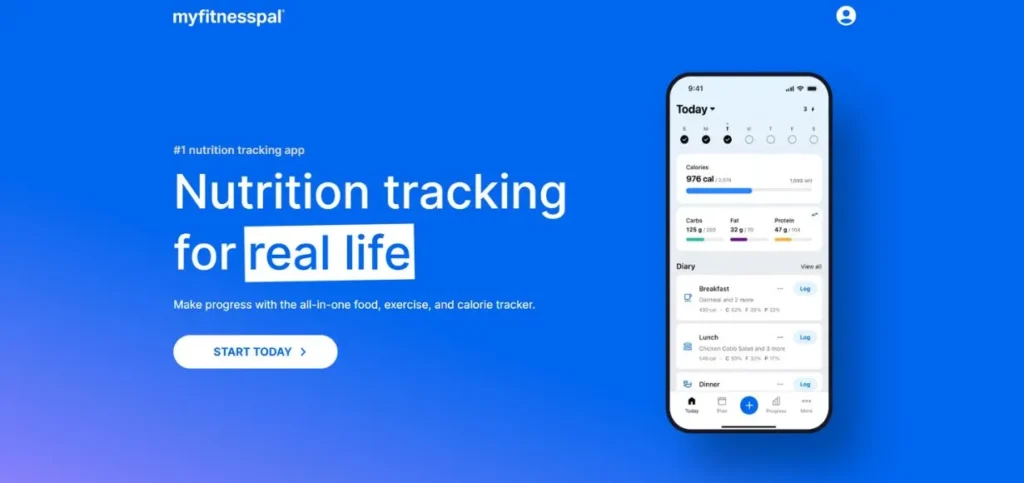
MyFitnessPal transforms health management by offering a complete package for the tracking of the nutritional, exercise and wellness indicators. The database of food is massive and supports millions of food items that making it quick and accurate to record food whenever one is at home or when outside. The users can personalise their objectives of calories depending on their health objectives, whether to lose weight, maintain or gain fattened.
Barcode scanner makes the entry of food easy as the packed products are automatically recognised and their nutritional value is known. A vast number of fitness trackers and applications are compatible with workout tracking and can provide the complete picture of the calorie consumption and expenditure. Community features enable users to interact with other individuals sharing similar health goals, and this gives them a sense of motivation and accountability. The site also generates detailed reports that capture the eating habits and allow users to assess the regions that require improvement in their eating habits and lifestyles.
Key Features:
- Extensive food database
- Barcode scanning function
- Exercise activity tracking
- Goal-setting capabilities
- A progress visualisation chart.
Pros:
- Huge food library
- Easy meal logging
- Support that is in the community.
Cons:
- Ads in the free version
- Calorie-counting focus
- Data entry required
Pricing: Free with ads; Premium at $9.99/month
7. Zocdoc Scheduling
Rating: 4.6/5
Website: https://www.zocdoc.com/
Best Use Cases: Online appointment booking and provider discovery
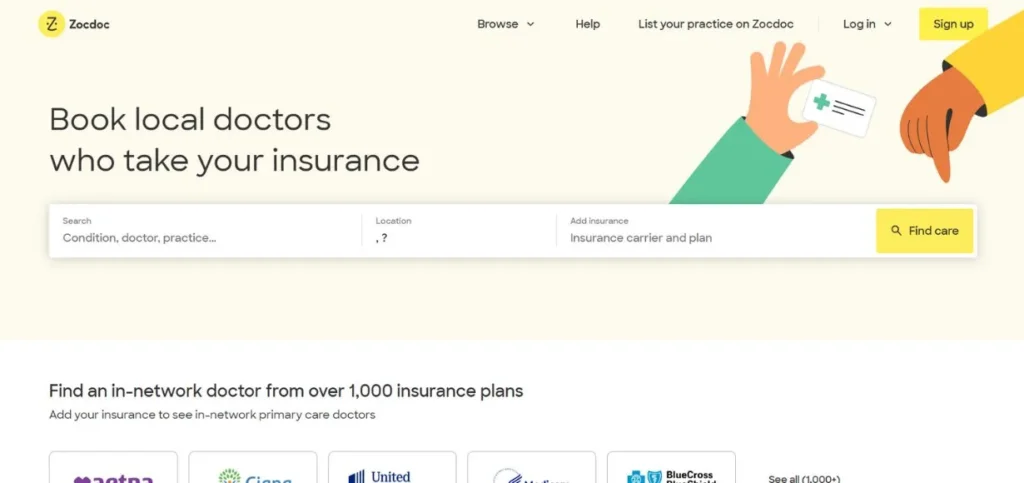
ZocDoc Scheduling makes the process of finding and booking medical appointments easy, which otherwise is irritable. In the same platform, patients can find providers based on speciality, location, accepted insurance and available appointments. Availability in the system is displayed in real-time without making phone calls or putting on hold. The user is able to read the verified patient reviews to enable them to make a sound decision on the choice of the provider.
Misplaced appointments are reduced by automated reminders, which are useful to patients and healthcare practices. The platform ensures that it confirms, reschedules, and cancels appointments at the comfort of a few clicks. Linking to the calendar applications automatically inserts the appointments that are automatically inserted into the calendar of the user. The service covers all the way to the specialist with a variety of specialities that make it a one-stop solution as far as the management of healthcare appointments is concerned.
Key Features:
- Real-time availability display
- Provider review system
- Insurance verification tool
- Automated appointment reminders
- Calendar integration
Pros:
- Eliminates phone scheduling
- Verified patient reviews
- Wide provider network
Cons:
- Not all providers are listed
- Limited rural coverage
- Occasional scheduling errors
Pricing: Free for patients; providers pay subscription fees
8. Google Fit Dashboard
Rating: 4.4/5
Website: https://www.google.com/fit/
Best Use Cases: Centralised health data aggregation and tracking
Google Fit Dashboard will be used to combine health information from various sources into one easy-to-comprehend interface. This platform is integrated with different fitness trackers, health applications, and smart devices, and instead of the person having to open several applications to find out their health data, they can access it all in one place. The dashboard also shows the level of activity of the heart rates, the sleeping patterns and other essential measurements in a well-presented graph and charts.
The users are able to make individualised fitness objectives and monitor their progress towards the goals over time. The system employs the Heart Points and Move Minutes to promote the right amount and length of time on exercise. Being combined with the ecosystem of Google will imply the ability to access it smoothly, both with Android devices and web browsers. Shared dashboard information becomes accessible during the consultation process to healthcare providers and enables them to have an informed discussion regarding the health and patient progress.
Key Features:
- Multi-source data integration
- Activity goal tracking
- Heart Points system
- Sleep quality monitoring
- Cross-device synchronization
Pros:
- Comprehensive data aggregation
- Free to use
- Easy device integration
Cons:
- Android-centric design
- Privacy concerns possible
- Basic analytics only
Pricing: Completely free for all users
9. WebMD Health Portal
Rating: 4.5/5
Website: https://www.webmd.com/
Best Use Cases: Health education and symptom information
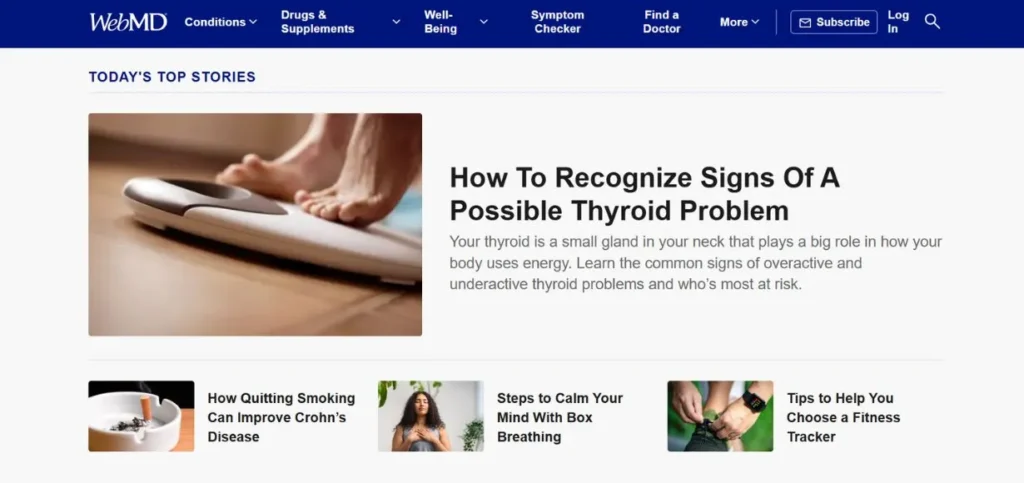
WebMD Health Portal is a complex educational source that allows patients to learn about the conditions and treatments of medical care, as well as the prevention strategies. It has thousands of articles that have been authored by medical professionals on virtually any health topic imaginable. Interactive symptom checkers help users to determine possible health issues by asking questions, but they also recognise the need to seek medical attention.
Video material describes the complicated medical procedures and conditions using simple language that can be comprehended by a non-medical audience. Drug information database gives information on the drugs and their uses, side effects and possible interactions. The health tracking applications are personalised to enable users to track a particular condition and provide the information to their health providers. Community forums help to unite people with common health issues with emotional support and practical advice from individuals with lived experience.
Key Features:
- Extensive article library
- Symptom checker tool
- Drug information database
- Video educational content
- Community support forums
Pros:
- Comprehensive health information
- Free access to medical professional-authored
Cons:
- Not da diagnostic tool
- Advertising presence
- Information overload possible
Pricing: Free with advertising; ad-free subscription available
10. Lark Health Coach
Rating: 4.6/5
Website: https://www.lark.com/
Best Use Cases: AI-powered chronic disease management and wellness coaching
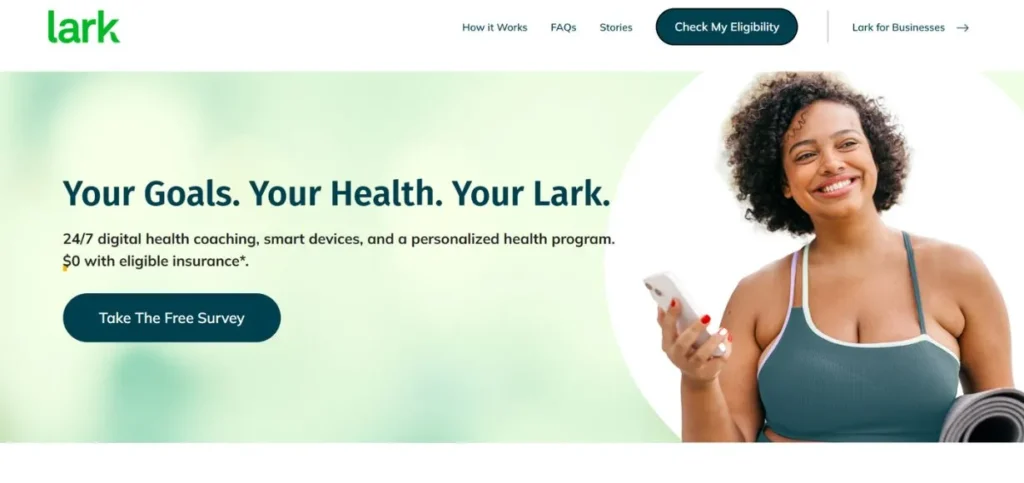
Lark Health Coach is another application that uses artificial intelligence to give users personalised health advice and assistance 24 hours a day. This virtual assistant aids patients with chronic illnesses such as diabetes, hypertension, and obesity in managing their illnesses by maintaining constant interaction and educating the clients. The AI interprets the user information of the connected devices and self-reporting to provide specific advice on the diet, exercises, and lifestyle changes. Lark is also responsive to questions and concerns at all times of the day, unlike human coaches who may be very busy and hence unavailable. The conversation interface, conversational interface makes interactions approachable and friendly as opposed to computerized.
The users are provided with motivational feedback which commends progress and encouragement when experiencing a setback. The platform transforms its coaching approach according to the individual reactions and preferences so that the experience appears to be really personal. This advanced coaching is now free and available to a large number of patients with the help of integration with health insurance programs.
Key Features:
- AI-powered coaching
- The 24/7 presence of personalised health advice.
- Chronic disease management
- Incorporation of wearable devices.
Pros:
- Always available support
- Individualised mode of interaction.
- Often insurance-covered
Cons:
- Lacks human empathy
- Technology dependency high
- Limited complex advice
Pricing: Free through many insurance plans; $19.99/month otherwise
How to Choose the Right Patient Engagement Tools
The optimal tools in patient engagement are the most suitable based on the expected health outputs, technical comfort and lifestyle requirements so that the tools used are uniform and rather advantageous in the application.
- Assess Your Health-Accurately: Does it involve drug adherence, managing chronic conditions, scheduling, or health education- then prepare about the tools that do well in those areas to help you initially surmount your previous problems.
- Evaluate Technical Requirements and Compatibility: To make platform decisions, initially consider the devices you have at hand, online and the degree of technological acquaintance.
- Check Provider Integration and Support: Determine the support or utilisation of your healthcare providers to ensure that they are incorporated into the systems of your medical team to enhance coordination and communication.
- Follow the Security and Privacy Standards: Test the encrypted data, authentication, and regulation compliance used by the platforms in the protection of sensitive health information.
- Check Cost and Insurance Covers: Review the pricing plans, including the subscription plan, the premium feature and the potential insurance coverage or reimbursement.
Conclusion
The revolution in the healthcare industry is yet to enable patients to exercise unparalleled control over their wellness journeys. The given list of the most popular patient engagement tools will be the most successful solutions that can be effectively utilised to reach out to the provider, monitor health indicators, and manage the medical information effectively. You might have to use the complete range of records, online consultations, medication history, or health coaching, and they offer powerful capacities that can result in improved outcomes and raise satisfaction.
Through a keen evaluation of your requirements and a good selection of the tools that would suit your health goals, you can harness the strength of modern technology and become an active and informed participant in your care. These digital solutions, as adopted today, would put you in a better position tomorrow regarding health.
Frequently Asked Questions
Q: What are the primary advantages of the use of patient engagement tools?
A: Such online platforms allow accessing healthcare more convenientlycommunicatingte better with providers, and tracking health indicators regularly.
Q: Are patient engagement tools confidential and safe?
A: Qualified websites use robust encryption, multi-factor authentication and me, et privacy regulations in healthcare, such as HIPAA, to safeguard confidential medical data.
Q: Are patient engagement tools covered by insurance companies?
A: A variety of insurance plans include or have access to some of the engagement tools, especially telemedicine platforms, remote monitoring devices, and chronic disease management apps.
Q: Will these solutions substitute face-to-face visits with the doctor?
A: Although patient engagement tools are a promising tool to improve access and management to healthcare, they do not supersede conventional care.
Q: What is the best way to start using patient engagement tools?
A: To start with, you need to ask your healthcare provider what tools they suggest or incorporate into their practice.
Continue Exploring: Best Side Hustle Apps