

The online payment environment is changing fast. The digital payments market in the world is expected to exceed 14.8 trillion in transaction value in 2026 with a CAGR of 11.2. In January 2026, UPI was alone handling more than 18 billion transactions, which solidified the dominance of Indians in the area of fintech.
However, when companies become global the India-based model of UPI becomes problematic. As a SaaS company, as an e-commerce brand, or even as a freelancer who has international clients, it is essential to find the appropriate UPI alternatives. This guide will disaggregate the best 10 UPI alternatives that will assist you in selecting a solution that suits your model of business, geography, and aspirations of growth.
What Is UPI?
UPI (Unified Payments Interface) is a real-time payment gateway developed by NPCI, which allows instant bank-to-bank payments through mobile applications within the country of India, where UPI functions, but beyond India, UPI alternatives are necessary to ensure the continuity of international businesses. Although robust domestically, UPI is limited internationally, so it is necessary to consider alternative technologies to ensure the survival of businesses.
Why Businesses Love UPI
- No transaction charges — Most UPI payments are free to the businesses receiving them.
- Instant settlement — Transfers funds in real time which enhances cash flow.
- Wide adoption — More than 400 million active users of UPI in India by the year 2026.
- Easy integration — API and SDKs facilitate easy merchant onboarding.
- Multi-bank support — A single app will connect to multiple bank accounts without any issues.
What Makes a Great UPI Alternative for Global Businesses
- Multi-currency functionality — Accept money in 50-plus currencies with no hassle.
- Cards, wallets, bank transfers, BNPL supported — Global payment methods coverage.
- Transparency in the pricing — No secrets; no obscured per-use or subscription pricing.
- APIs that are developer friendly — Fast integration with no-code and low-code possibilities.
- The standards of regulatory compliance — PCI DSS, GDPR, and local licensing standards.
Also Read: Cashback UPI Apps in India
Detailed Reviews: Top 10 UPI Alternatives for 2026
1. Stripe
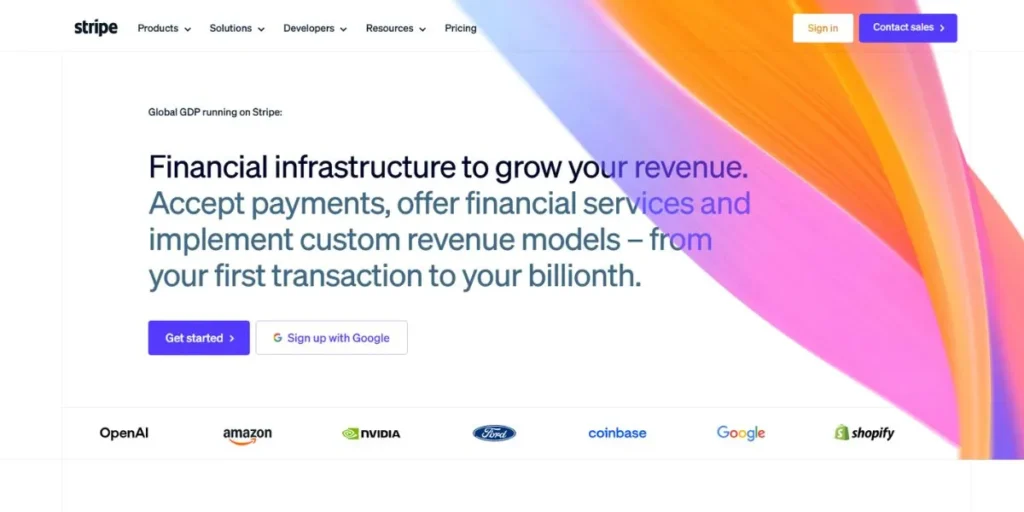
Stripe is the most popular developer-first payment processing in the world. It was established in 2010 and serves more than 135 currencies and methods of payments in 46+ countries. In 2026, Stripe remains dominant with its modular API that is applicable to all startups up to enterprise-level enterprises. Its ecosystem comprises of billing, fraud detection, revenue recognition and embedded finance tools. The reliability of Stripe, uptime guarantees, and their constant product innovation make it the best one globally.
Best For: Developers and tech-savvy companies that require complete personalization.
Who Should Use It:
- Subscription billing required by SaaS companies.
- Globalizing e-commerce brands.
- Fabrics constructing payment streams in the marketplace.
Key Features:
- Fluctuates 135+ world-currencies flawlessly.
- Fraud detection with Stripe Radar.
- Custom checkout flow APIs are modular.
Pros:
- Well documented developer documentation.
- Stripe Instant, instant payouts.
- Large dashboard and analytics in real time.
Cons:
- Increase of fees charged on international cards.
- None of the basic plans have phone support.
- Confusing set up of non-developers.
Website: https://stripe.com
2. PayPal
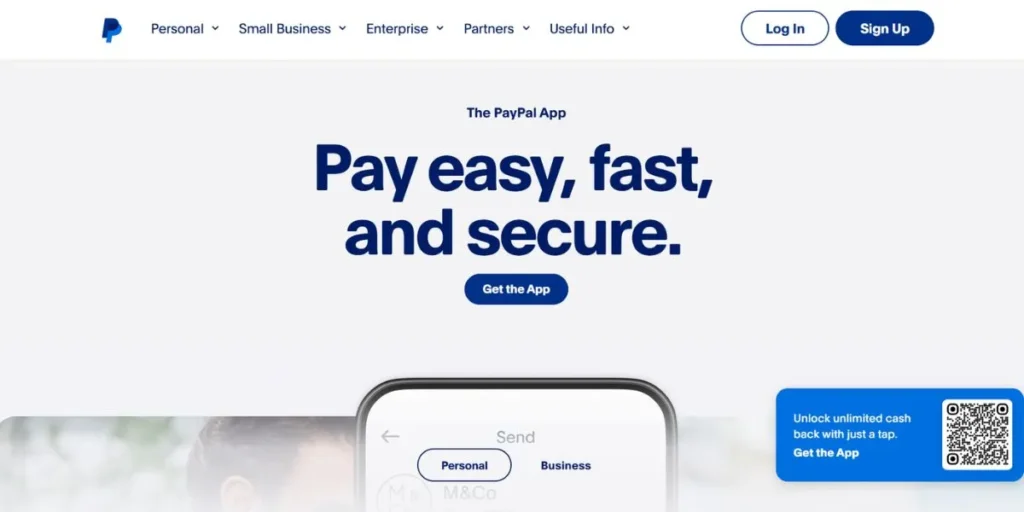
PayPal is also one of the most established payment brands across the world with a total of 430 million active accounts in 2026. It facilitates consumer and business payments, invoicing and international transfers. Within the PayPal ecosystem, PayPal has Pay Later, Venmo, and Braintree. Its good brand trust increases the checkout conversion rates particularly when they are cross border. Although the costs are increased, PayPal has an extended reach and a high degree of reliability that cannot be avoided by international traders.
Best For: Companies that require instant worldwide brand recognition.
Who Should Use It:
- Freelancers and small business all over the world.
- Buyers who require Buy Now Pay Later.
- International donations of non-profits.
Key Features:
- Operates in over 200 countries and regions.
- Inbuilt buyer and seller insurance policies.
- Single touch checkout improves conversions.
Pros:
- Recognized brand brings confidence to buyers.
- No fee of basic accounts on a monthly basis.
- Simple invoicing of freelancers.
Cons:
- There are high currency conversion charges.
- Some merchants reported the freezing of their accounts.
- Poorly customized checkout UI.
Website: https://www.paypal.com
3. Razorpay
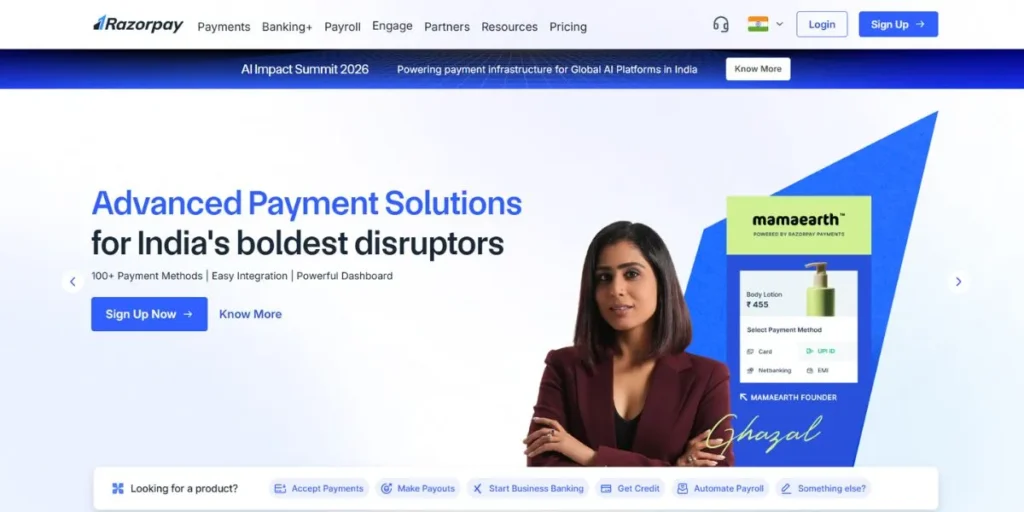
Razorpay is the most popular full stack Indian financial solutions company and the nearest domestic substitute of UPI based infrastructure. Razorpay has already extended its package to payroll, lending and corporate cards, in addition to payment processing, in 2026. It accepts 100+ payment methods such as UPI, cards, net banking, and wallets. Razorpay provides a no-code payment page builder and robust APIs, which makes it best suited to the Indian business that is going global. Its RazorpayX neobanking division provides a lot of financial management.
Best For: Indian Companies going regional and international.
Who Should Use It:
- Omnichannel payment required brands D2C.
- Startups interested in entire fintech stack.
- Businesses that require a mixture of payroll and payments.
Key Features:
- Accepts UPI, cards, and 100+.
- Routing is smart to increase the success of payments.
- Banking and payroll RazorpayX.
Pros:
- Indian businesses possess competitive prices.
- Quick training with less paperwork.
- Very good local customer support.
Cons:
- Minimal support on international payments.
- Periodical settlement delays recorded.
- The Dashboard UX is overwhelming.
Website: https://razorpay.com
4. Adyen
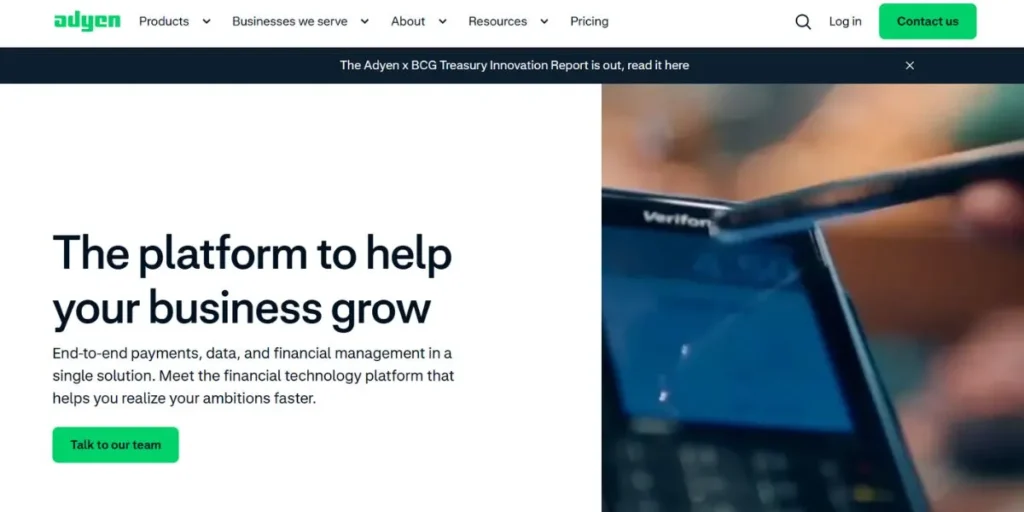
Adyen is an international payments platform that is designed to serve enterprise business operations with billions of transactions each year. It provides a full-fledged infrastructure of online, in-store and in-app payments in 70+ payment methods. The integrated commerce method by Adyen provides companies with one location of all payment information worldwide. In 2026, Adyen has extended its embedded finance service and added more emerging markets. Its insights and issuing capabilities are data-driven, thus making it a force to large businesses.
Best For: Big businesses that require global payments.
Who Should Use It:
- Multinational retailers that require in-store and online.
- Sites that are interested in integrated financial services.
- Hotels, travel companies and airlines all over the world.
Key Features:
- One platform at which to conduct online payments.
- Real-time data analytics and real-time reporting.
- In-built card issuing capability.
Pros:
- Very high availability and dependability.
- Huge data understandings to improve.
- Accepts all the major international payment systems.
Cons:
- Minimum amount of processing to be done monthly.
- Small businesses not appropriate.
- Complicated small-team implementation.
Website: https://www.adyen.com
5. Square
Square by Block (previously a company of the Jack Dorsey, one of the founders of Twitter) is a popular POS and payment system, especially when it comes to retail and food service businesses. Square has grown its ecosystem in 2026 to include Square Banking, Payroll, and Marketing tools. It especially enjoys the favour of small and medium enterprises in the US, Canada, Australia, UK, and Japan. Entry is simple with Square because of its free card reader and a flat-rate pricing. It has a strong ecosystem that enables brick-and-mortar companies to cope with all their inventory to employees.
Best For: Retailers and shops that are in-store.
Who Should Use It:
- Cafe and restaurants operating on POS.
- Retail outlets who require stock control.
- Individuals and businesses billing their clients.
Key Features:
- New merchant free POS equipment.
- Combined inventory and staff management.
- Bank deposits can be made the same day.
Pros:
- Flat-rate pricing is very easy to comprehend.
- No monthly fee for basic plan.
- Powerful business tools ecosystem.
Cons:
- Inadequate international supply.
- Problems with the stability of accounts of risky merchants.
- Paid plans are needed in advanced features.
Website: https://squareup.com
6. Wise Business (formerly TransferWise)
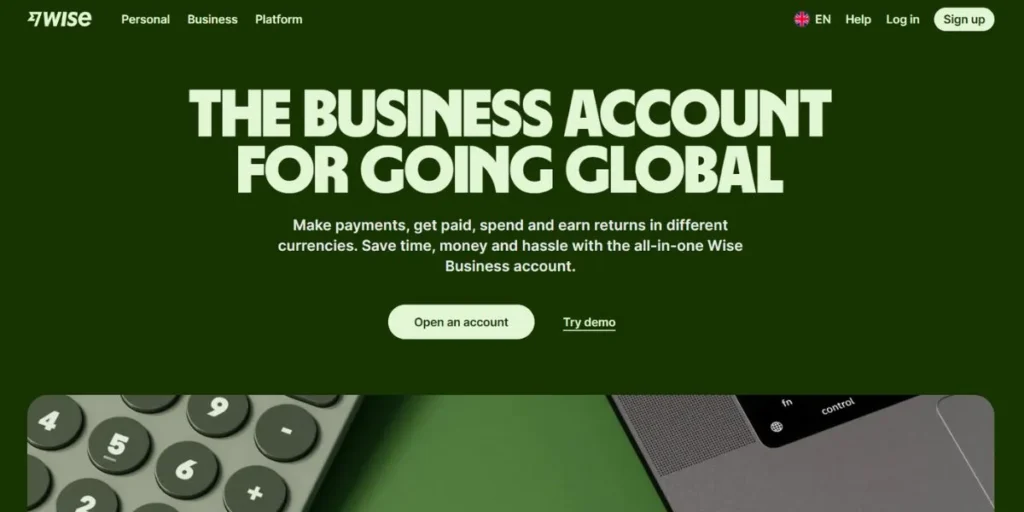
Wise business is designed specifically to serve those businesses that make high rates of international transfers and multi-currency activities. As of 2026, Wise supports more than 40 currencies and provides borderless business accounts and implies local bank account details in 10 countries. It is the preferred one by businesses that pay their overseas suppliers, contractors or workers. Wise uses real mid-market exchange rate at transparent low fees, which would save business much as compared to traditional banks. Its batch payment functionality is capable of processing hundreds of transfers at a time.
Best For: Companies that have international high volume payments.
Who Should Use It:
- Export/import companies that have to pay overseas suppliers.
- Remote-first firms, which compensate international contractors.
- Digital agencies charge foreign customers.
Key Features:
- Actual mid-market guaranteed exchange rate.
- Lump sum payments on 1000 or more transfers.
- Multi-currency account having local IBANs.
Pros:
- Much reduced FX charges compared to banks.
- Clear fee system in advance.
- Quick exchange of currency in most leading currencies.
Cons:
- Unsuitable in consumer-facing payments — Not ideal.
- None of the merchant checkout integrations available.
- There exists a limit on specific amounts of transfer.
Website: https://wise.com/business
7. Paytm for Business
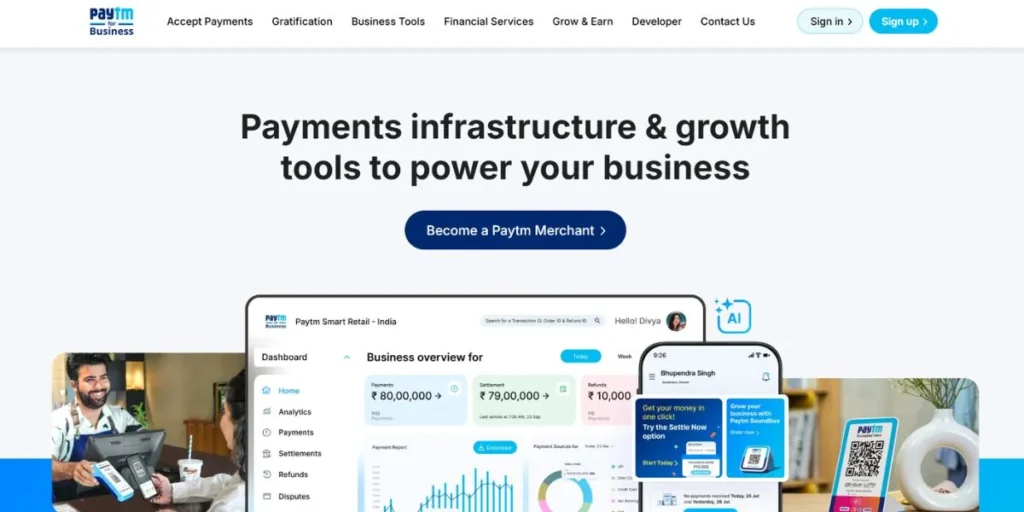
Paytm is also among the biggest payment platforms in India, as well as with a profound grasp in Tier 2 and Tier 3 cities. Paytm Business provides a full package in 2026 which consists of payment gateway, QR code payments, POS devices and business banking. It has a large merchant base and high consumer base through its application as a merchant and consumer, which is a great substitute to pure UPI implementations. Paytm accepts UPI, cards, wallets, EMI and BNPL. Although regulatory hurdles continue in 2024 Paytm has stabilized and regained merchant confidence by 2026.
Best For: Indian business with the mass market consumers.
Who Should Use It:
- The small retailers and kirana stores in India.
- Schools and colleges that receive fees online.
- Medical practitioners who take money from patients.
Key Features:
- Instant settlement QR code payments.
- The payment options are EMI and BNPL.
- Collaborate with Paytm Bank as a business bank.
Pros:
- Large base of consumers in India.
- Simple offline implementation of QR codes.
- Minimal onboarding needs of merchants.
Cons:
- India centric and low global coverage.
- Regulatory questioning has had an impact on reliability.
- There is variation in the response times offered by the customer support.
Website: https://business.paytm.com
8. Klarna
Klarna is a Swedish fintech giant and Buy Now Pay Later (BNPL) solutions global leader, operating in 45 countries in 2026. Klarna enables users to pay in installments without interest which increases average order values among merchants by up to 45. Other than BNPL, Klarna has a comprehensive checkout solution, merchant analytics and marketplace marketing. Klarna has further developed its AI-driven shopping assistant and advertising network in 2026. It works particularly well with fashion e-commerce, electronic e-commerce, and lifestyle e-commerce.
Best For: E-commerce brands that would like to have increased average order value.
Who Should Use It:
- Online stores in fashion and apparel.
- Electronic and gadget based e-commerce shops.
- Home furnishing and lifestyle brands.
Key Features:
- Buy Later Pay in 4 Installs.
- The incorporation of AI-based shopping assistants.
- Buyer insights and merchant analytics.
Pros:
- Grows conversion and basket size.
- None of the merchants are at risk of non-payment.
- Huge consumer base that is already using Klarna.
Cons:
- Merchant fees are higher than card processors.
- Inapplicable to B2B payment.
- Only consumer-facing no B2B invoicing.
Website: https://www.klarna.com/business
9. Payoneer
Payoneer is an international payment service that is specifically used in the cross-border business payments, freelancers, and marketplace sellers. Payoneer serves 190 plus countries and 70 plus currencies in 2026, which would suit business transactions where remittances are made through Amazon, Upwork, Fiverr, and Airbnb among others, which are global marketplaces. Business accounts of Payoneer offer local receiving accounts in USD, EUR, GBP, JPY, etc. Its working capitals are used to assist businesses to meet cash flows between payments. It is particularly popular among sellers and online service providers.
Best For: Freelancers and marketplace sellers worldwide.
Who Should Use It:
- Sellers in the Amazon and eBay marketplace globally.
- Freelancers on Upwork, Fiverr and Toptal.
- US and EU billing clients to digital agencies.
Key Features:
- Local receiving accounts in 9 plus currencies.
- Business capital promotion to businesses that qualify.
- Payments directed to the marketplace.
Pros:
- Perfect in the collection of payments in the market.
- Available in 190+ countries.
- Instant spending Prepaid Mastercard.
Cons:
- Annual fee of $29.95 applies.
- Delays of transfer more than Wise.
- The quality of customer support is poor.
Website: https://www.payoneer.com
10. Cashfree Payments
Indian based fintech Cashfree Payments has established itself as a developer-first, API-based alternative to the traditional payment gateways. Cashfree (2026) also accommodates 200 and above payment options such as UPI, cards, wallet, and international cards. The most prominent distinguishing factor it has is quickest settlement cycles in India- up to 15 minutes. The Payouts product by Cashfree enables mass disbursements of vendors, employees and affiliates. Cashfree is a fast-growing and trusted international payments partner with the support of Y Combinator in operation in 30+ countries.
Best For: Indian fintech companies that require quick settlements.
Who Should Use It:
- Gig economy services through which drivers receive payments.
- Lenders and NBFCs making disbursements of loans.
- D2C brands that require an immediate refund option.
Key Features:
- Titling within up to 15 minutes.
- Mass payments on 50 plus bank accounts.
- Auto-collection on subscription and recurring bills.
Pros:
- Cycles of shortest settlement in India.
- High volume merchants will receive competitive prices.
- Good API documentation to the developers.
Cons:
- Less global presence than Stripe or Adyen.
- Low offline POS functions.
- Less available enterprise-grade features.
Website: https://www.cashfree.com
How to Choose the Right Payment Solution
- Determine your geography — Select platforms that have high presence in your target markets.
- Consider fee structures — Compare flat-rate vs. interchange-plus models to yours.
- Complexity of check integration — Depth of API on the platform should be matched with your technical capacity.
- Take into account speed of settlements — Faster settlements enhance cash flow of expanding companies.
- Evaluate support and compliance — Provide merchant responsive compliance with PCI DSS.
Conclusion
The appropriate payment system will speed up your business development in 2026. Whereas UPI performs well in India, international companies require UPI alternatives such as Stripe, Adyen or Wise, which are on par with their size, location and customer demands. This list provides a precise starting point regardless of the type of business being a startup, freelancer or enterprise. Compare on prices, integrations and international coverage – and select the option that can most efficiently drive your payments.
FAQs
Which is the best in 2026 UPI alternatives to make international payments?
The best options are stripe and Wise Business that provide support of multiple currencies, no hidden fees, and global connectivity to conduct transactions across countries.
Is it possible to use Stripe in domestic transactions with Indian businesses?
Yes, Stripe India accepts UPI, cards and net banking, and thus, presents a viable full-stack option to domestic merchants.
What is the best UPI alternatives option of freelancers who get money internationally?
Freelancers should use Payoneer and Wise, which have a local receiving account, low FX rates, and marketplace integrations.
Do small businesses have free UPI alternatives that are not charged on a monthly basis?
Both Square and PayPal are free in monthly fees, and, as such, they present affordable choices to new solopreneurs and small enterprises.